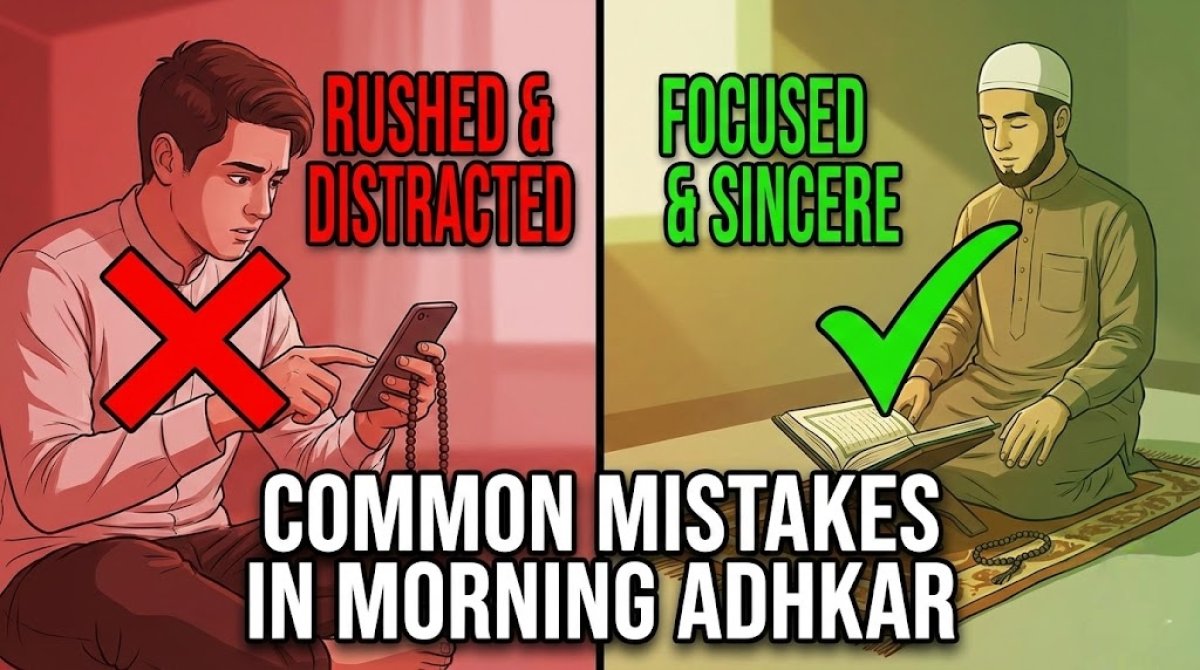
Morning adhkar is one of the most neglected Sunnahs and, at the same time, one of the most misunderstood.
Some people abandon it completely, while others perform it in ways never taught by the Prophet ﷺ.
Both extremes are harmful.
To follow the Sunnah correctly, we must learn:
- What Allah and His Messenger ﷺ legislated
- And what they did not
Because sincerity alone is not enough if the action itself is incorrect.
First: What Is Bid‘ah in Worship?
Bid‘ah (innovation) in worship means:
Introducing a form, time, number, or method of worship without evidence from Qur’an or Sunnah.
The Prophet ﷺ warned clearly:
مَنْ أَحْدَثَ فِي أَمْرِنَا هَذَا مَا لَيْسَ مِنْهُ فَهُوَ رَدٌّ
“Whoever introduces into this matter of ours that which is not from it, it is rejected.” (Sahih Bukhari & Muslim)
Morning adhkar is pure worship, so precision matters.
Mistake 1: Inventing New Morning Adhkar Formulas
One of the most common bid‘ahs is:
- Creating new phrases
- Mixing duas creatively
- Assigning “special morning power” to words never taught by the Prophet ﷺ
For examples:
- Custom affirmations
- Rhyming phrases claimed to be Sunnah
- New “prophetic morning duas” without sources
Good intention does not make innovation acceptable.
If you want to understand what actually qualifies as morning adhkar, read more in what morning adhkar truly means in Islam.
Mistake 2: Fixing Numbers Without Evidence
Some people say:
- “Read this dua exactly 11 times every morning”
- “This zikr must be 313 times”
- “If you miss the number, it doesn’t work”
Unless a specific number is mentioned in authentic hadith, fixing a number is not allowed.
The Sunnah already includes some adhkar with numbers and even some without!
So adding numbers is legislating worship, which is not our role.
Mistake 3: Treating Morning Adhkar Like a Magical Shield
Morning adhkar is not a spell.
Some people think:
- “If I say it once, nothing bad can happen today”
- “Protection is guaranteed regardless of my actions”
Most of the time, this misunderstanding leads to carelessness in sin and even false spiritual confidence.
Morning adhkar provides protection by Allah’s will, not immunity from consequences.
The Qur’an always ties remembrance with taqwa and obedience, not shortcuts.
Mistake 4: Delaying Adhkar Until Any Time of the Day
A very common mistake is saying:
“I’ll just do it whenever I remember, even at night.”
Morning adhkar is time-bound Sunnah.
Doing it very late:
- Removes its intended purpose
- Weakens its effect
- Shows negligence, not flexibility
For clarity on valid timing and limits, read when morning adhkar is actually valid
Mistake 5: Doing Morning Adhkar Before Fajr
This mistake is surprisingly widespread.
Some people:
- Wake up early
- Do tahajjud
- Then recite morning adhkar before Fajr enters
This is incorrect.
Before Fajr = night
Morning adhkar cannot exist before morning begins
If you want the detailed fiqhi explanation, read why morning adhkar before Fajr does not count
Mistake 6: Thinking Wudu Is Mandatory
Many Muslims abandon morning adhkar because:
“I don’t have wudu yet.”
This leads to unnecessary loss.
Dhikr does not require wudu.
Delaying remembrance for this reason is a misunderstanding.
If you’re unsure about purity rules, you can read whether wudu is required for morning adhkar
Mistake 7: Abandoning Adhkar Due to Menstruation
Some women feel spiritually disconnected because they believe:
“I’m not allowed to do any adhkar now.”
This is incorrect.
Women are encouraged to remember Allah in all states.
Only specific acts are restricted — not dhikr or du‘a.
Mistake 8: Turning Adhkar Into a Checklist
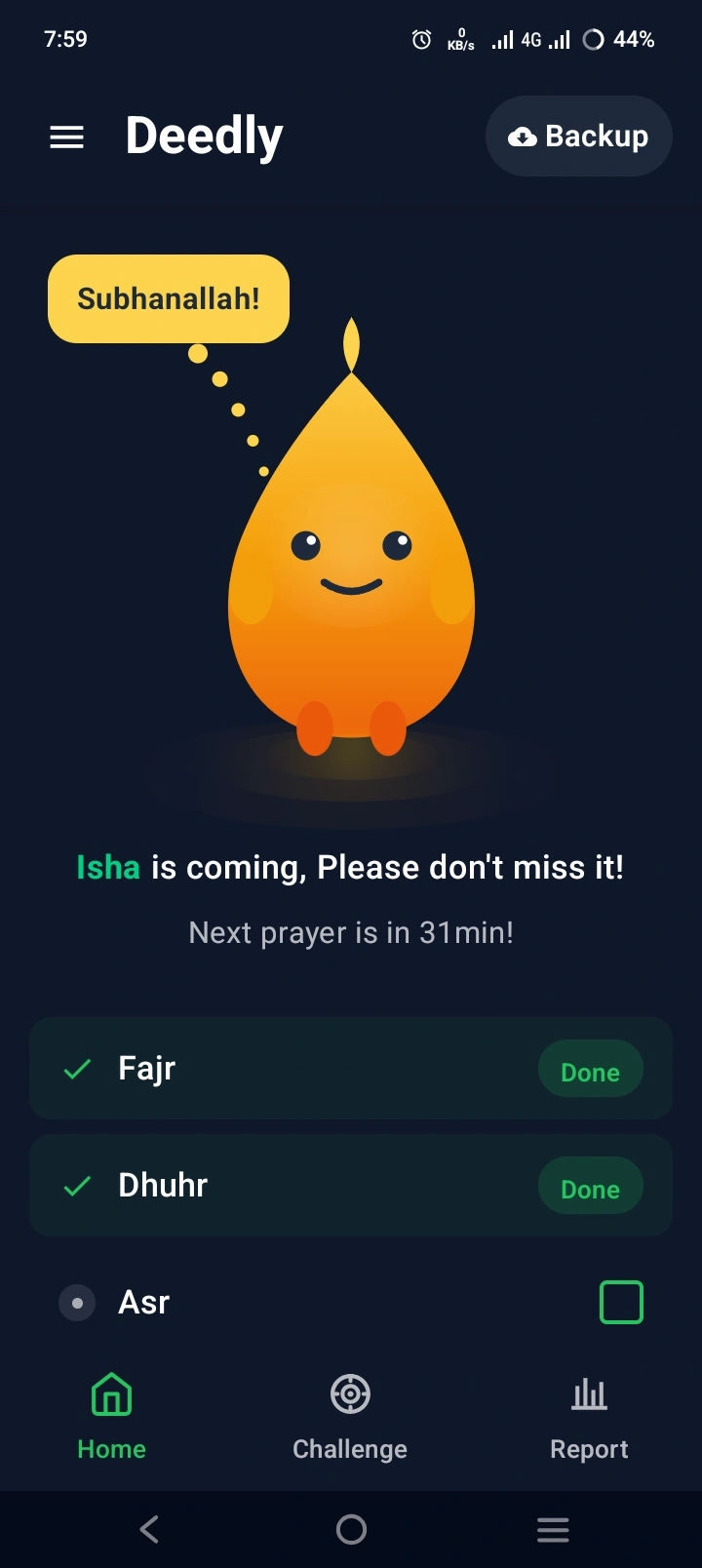
Using apps or trackers is fine — but a mistake happens when:
- Speed matters more than meaning
- Completion matters more than presence
- Numbers replace reflection
Morning adhkar is not a productivity task.
If busy mornings are your struggle, see how to maintain morning adhkar in a busy life.
Mistake 9: Believing Longer Means Better
Some people think:
- Short adhkar = weak
- Long sessions = superior
But the Prophet ﷺ often chose:
- Consistent
- Moderate
- Meaningful
A few authentic adhkar with presence are better than long lists without awareness.
Mistake 10: Mixing Cultural Practices With Sunnah
In some cultures:
- Morning adhkar is mixed with local customs
- Group chants are treated as obligatory
- Certain phrases are elevated above Sunnah
Culture is not haram — but it is not Sunnah either.
Islam separates:
- What is allowed
- From what is legislated
Morning adhkar must remain prophetic, not cultural.
Mistake 11: Abandoning Adhkar After Missing Once
This is a psychological mistake Shayṭān loves.
“If I missed today, I failed.”
Islam does not work this way.
Missing once:
- Is not a sin
- Does not cancel the Sunnah
- Should not lead to abandonment
Consistency grows gradually.
The Correct Approach (Balanced Sunnah Way)
- Stick to authentic sources
- Respect timing
- Avoid innovation
- Keep sincerity
- Be gentle with yourself
- Be firm against bid‘ah
Morning adhkar is not about perfection — it is about obedient remembrance.
Final Reminder
The safest path in worship is:
“Follow, don’t invent.”
If you want the full authentic structure, references, and practical flow, return to the 👉 ultimate guide to Morning Adhkar.
