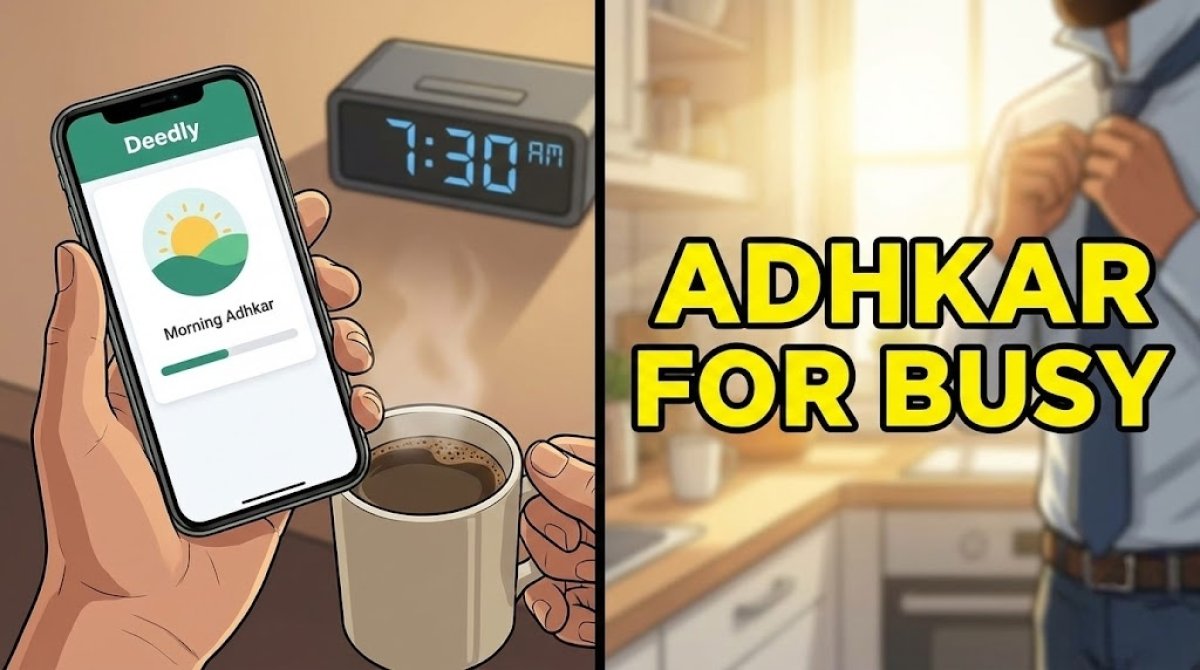
Many Muslims love the idea of morning adhkar — but struggle with the reality.
Work starts early. Children need attention. Commutes are long. Some mornings feel rushed before they even begin.
And then a painful thought appears:
“Maybe morning adhkar is only for people with free time.”
That thought is wrong — and it is not from Islam.
Islam was revealed for real human lives, not ideal schedules.
First Principle: Adhkar Was Made Easy, Not Heavy
Allah says:
يُرِيدُ اللَّهُ بِكُمُ الْيُسْرَ وَلَا يُرِيدُ بِكُمُ الْعُسْرَ
“Allah intends for you ease and does not intend for you hardship.”
(Qur’an 2:185)
Morning adhkar is a means of ease, not an additional burden on an already heavy morning.
The Prophet ﷺ did not require:
- Silence
- Isolation
- Long sessions
- Perfect conditions
He required presence of heart, even if the action was short.
Understand What Actually Counts as Morning Adhkar
A common misunderstanding is that:
“If I can’t do the full list, I’ve failed.”
This is not how Islam works.
Morning adhkar includes:
- Short phrases
- Protection du‘as
- Core remembrances
- Not one fixed mandatory set
Even a small, consistent portion carries real reward.
Helpful Guide: Can You Read Morning Adhkar after Sunrise?
Start With the Sunnah Minimum (Realistic Foundation)
The Prophet ﷺ taught several adhkar that are:
- Short
- Powerful
- Easy to memorize
For busy mornings, begin with:
- Ayat al-Kursi
- Three Quls (Ikhlas, Falaq, Nas)
- One comprehensive du‘a (like Allahumma bika asbahna)
This can be completed in 2–4 minutes.
Islam values continuity, not volume.
Attach Adhkar to Actions You Already Do
This is a prophetic principle.
The Prophet ﷺ remembered Allah:
- While walking
- While traveling
- While sitting
- While preparing for daily life
So don’t “add” adhkar to your morning — attach it.
Examples:
- After Fajr prayer → begin adhkar before standing up
- While getting dressed → quiet dhikr
- During commute → recite memorized adhkar
- While waiting → repeat simple phrases
Adhkar does not require immobility.
Presence Matters More Than Silence
Some people delay adhkar waiting for:
- Quiet room
- Perfect focus
- Spiritual mood
This delay is often what causes abandonment.
Khushū‘ is built, not waited for.
Even if:
- Your child is talking
- Your phone buzzes
- Your mind wanders
Say the adhkar anyway, gently returning your focus.
See this helpful guide what's the best time for morning adhkar.
Split the Adhkar — Islam Allows This
There is no rule that says morning adhkar must be:
- Done in one sitting
- In one uninterrupted session
Scholars allow:
- Reciting some after Fajr
- Completing the rest later in the morning
This is far better than leaving it completely.
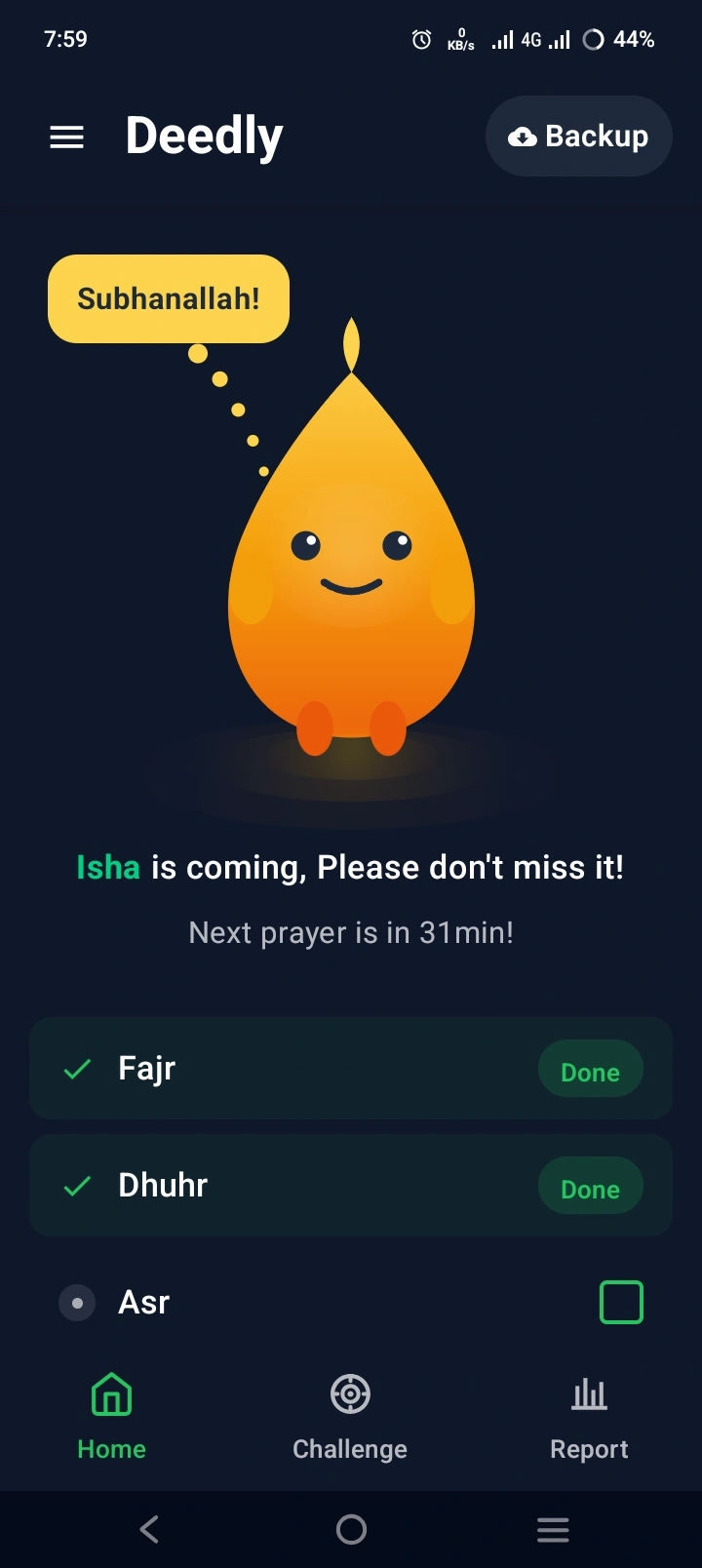
Use Tools Without Depending on Them
Apps, reminders, and trackers are means, not worship.
Use them to:
- Prompt remembrance
- Maintain consistency
- Build habit
But avoid:
- Treating adhkar as a checklist
- Rushing to “mark complete”
- Losing presence for performance
Adhkar is between you and Allah, not you and an app.
When You Truly Miss It — What Should You Do?
Do not say:
“Today is ruined.”
Say instead:
“I remember Allah now.”
Then remember Him.
Islam does not teach all-or-nothing worship.
The Spiritual Logic Behind This Flexibility
Morning adhkar exists to:
- Orient your heart toward Allah
- Guard your day
- Break Shayṭān’s influence early
If it becomes stressful, rushed, or guilt-heavy — its purpose is lost.
Consistency with humility is more beloved than perfection with burnout.
A Powerful Intention to Make Every Morning Easier
Before sleeping, say in your heart:
“O Allah, help me remember You in the morning.”
This intention alone invites divine assistance.
The Prophet ﷺ taught:
اللَّهُمَّ أَعِنِّي عَلَى ذِكْرِكَ وَشُكْرِكَ وَحُسْنِ عِبَادَتِكَ
“O Allah, help me to remember You, thank You, and worship You well.”
(Abu Dawud – Sahih)
Final Advice (Straight, Honest)
- Do some adhkar, not none
- Do it early when possible
- Do it with presence, not pressure
- Build habit, not guilt
For a complete structure of authentic adhkar, timing, rulings, and practical flow, refer to the detailed Morning Adhkar guide.
