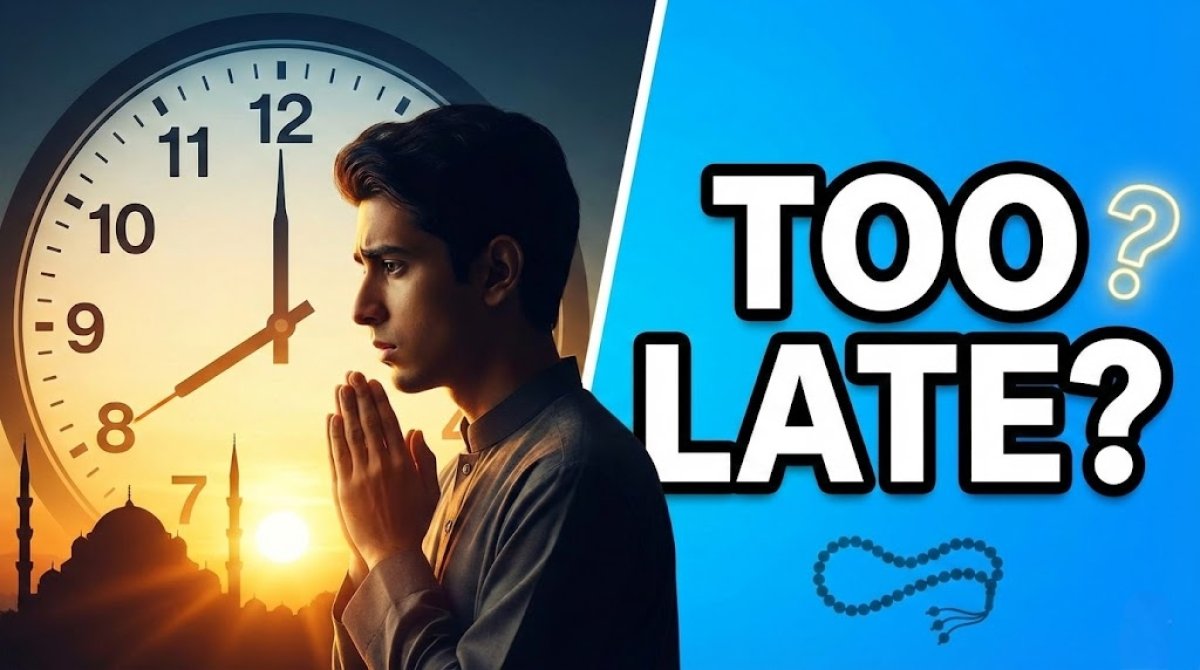
This is a very common and very honest question.
Many Muslims wake up late.
Some pray Fajr close to sunrise. Some pray on time but get busy immediately.
Then the guilt comes:
“I missed my morning adhkar… is it useless now?”
“Does it even count after sunrise?”
“Did I lose the protection for the day?”
Let’s answer this properly, with Qur’an, Sunnah, and the understanding of scholars — not emotional opinions.
Short Answer (Before the Detail)
✅Yes, morning adhkar CAN be done after sunrise. But it is NOT the best or most complete time
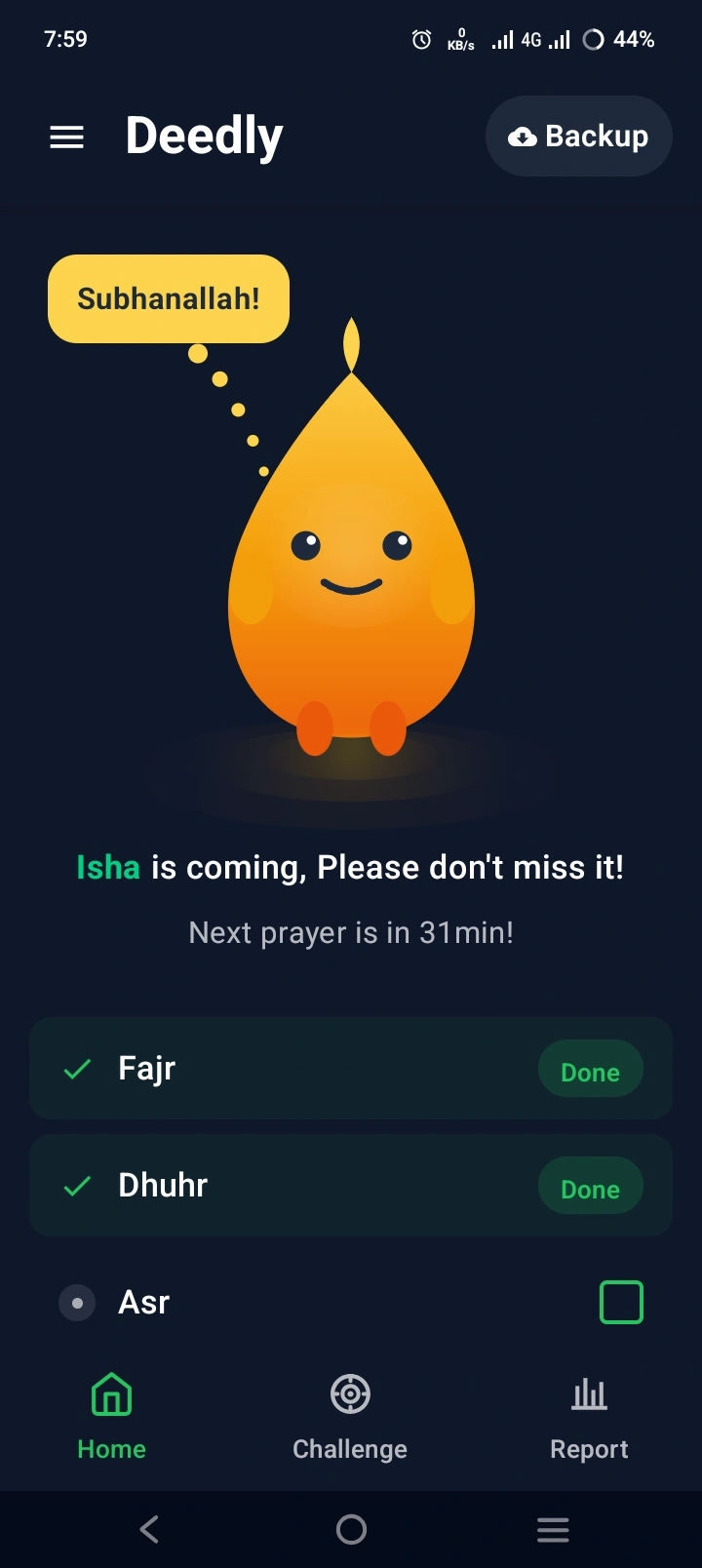
It is valid, rewarded, and accepted — as long as it is done within the morning period, not intentionally delayed without reason.
Now let’s explain why.
What Is “Morning” in Islamic Terms?
Islam does not define morning by alarm clocks or work schedules.
The Arabic word used in Qur’an and Sunnah is:
الصباح (aṣ-ṣabāḥ)
Linguistically and Islamically, ṣabāḥ includes:
- From Fajr time
- Through sunrise
- And continues until zawāl (midday)
This understanding is critical.
For deeper understanding about the best time for morning adhkar, see this guide.
Evidence From the Sunnah (Key Phrase)
The Prophet ﷺ consistently used this wording:
حِينَ يُصْبِحُ
“When one enters the morning”
This phrase appears in many authentic hadith, including:
📜 Sahih Muslim (2692)
مَنْ قَالَ حِينَ يُصْبِحُ وَحِينَ يُمْسِي...
The hadith does not say:
- “before sunrise only”
- or “immediately after Fajr only”
It says: when morning has begun
Scholars then define when morning ends.
Scholarly Explanation: Does Morning End at Sunrise?
❌ No — and this is important.
Many people assume:
“Sunrise = end of morning adhkar”
This is not supported by scholarly consensus.
✅ Majority scholarly position:
- Best time: After Fajr until sunrise
- Permissible & valid time: Until zawāl (midday)
This view is held by:
- Ibn Taymiyyah رحمه الله
- Ibn al-Qayyim رحمه الله
- Many contemporary scholars
They explain that:
- The preferred time is early
- But the named time (morning) continues
Ibn al-Qayyim’s Explanation (Meaning-Based)
Ibn al-Qayyim explained that adhkar tied to time periods are:
- Optimal at their beginning
- Acceptable throughout their named duration
Morning adhkar is like:
- Taking medicine early (best)
- Or later in the same period (still beneficial)
Missing the optimal time does not cancel the ibadah.
Qur’anic Support for This Understanding
Allah says:
📖 Qur’an 33:41–42
وَسَبِّحُوهُ بُكْرَةً وَأَصِيلًا
“Glorify Him morning and evening.”
The word بُكْرَةً (bukrah) refers to:
- Early part of the day
- Not a few-minute window
- But a recognizable time period
This again supports flexibility without negligence.
Important Distinction: Excuse vs Habit
Here is where Shariah is very precise.
✔️ Valid Reasons (No Sin)
- Oversleeping unintentionally
- Work or family emergency
- New Muslim / learning stage
- Genuine forgetfulness
In these cases:
- Do the adhkar when you remember
- You are rewarded
- Allah is Merciful
❌ Blameworthy Habit
- Intentionally delaying every day
- Treating morning adhkar as optional
- Saying “I’ll do it later” without reason
This does not remove reward, but it reduces the spiritual impact and barakah.
Do You Still Get Protection If Done After Sunrise?
Yes — but proportionate to your effort and timing.
Morning adhkar includes supplications for:
- Protection from Shayṭān
- Safety from harm
- Barakah in the day
If done late:
- The protection begins from the time you recite
- Not retroactively from Fajr
That’s why early adhkar is more powerful — it guards the entire day.
Practical Islamic Advice (Balanced)
- If you wake up late → do adhkar immediately
- If sunrise has passed → do not abandon it
- If you missed it completely → repent, not despair
- If this happens often → fix your sleep and Fajr
Islam never teaches:
“You missed it, so leave it.”
That is a whisper of Shayṭān.
For a full explanation of timings, texts, rulings, and authentic adhkar, refer to the full complete guide on this.
