Everyday Dua

Everyday Dua

๐Ÿ“– 1 min read โ€ข Published: January 26, 2026 โ€ข Updated: January 27, 2026

01

The Most Frequent Dua

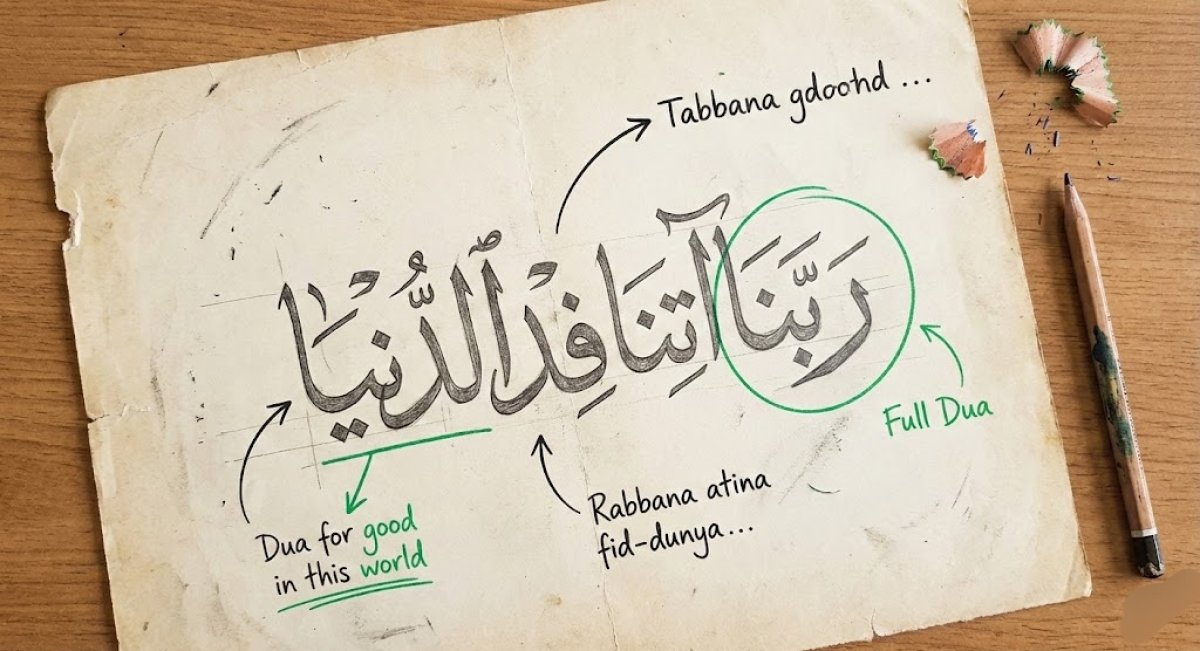
ุฑูŽุจู‘ูŽู†ูŽุงู“ ุกูŽุงุชูู†ูŽุง ููู‰ ูฑู„ุฏู‘ูู†ู’ูŠูŽุง ุญูŽุณูŽู†ูŽุฉู‹ ูˆูŽููู‰ ูฑู„ู’ุกูŽุงุฎูุฑูŽุฉู ุญูŽุณูŽู†ูŽุฉู‹ ูˆูŽู‚ูู†ูŽุง ุนูŽุฐูŽุงุจูŽ ูฑู„ู†ู‘ูŽุงุฑู

Translation

"Our Lord, give us in this world [that which is] good and in the Hereafter [that which is] good and protect us from the punishment of the Fire." (Quran 2:201)

Significance

This is known as the most comprehensive Dua in Islam because it covers every aspect of human existence.
The "good" in this world includes righteous spouses, healthy children, lawful wealth, and beneficial knowledge. The "good" in the hereafter includes the shade of the Throne, an easy reckoning, and Paradise.
Anas ibn Malik (RA), who served the Prophet ๏ทบ for ten years, reported that this was the most frequent supplication of the Messenger of Allah.
It is recorded in Sahih Bukhari and Muslim that the Prophet ๏ทบ would often conclude his other Duas with this one.
Historically, it was used by the Prophet ๏ทบ during Tawaaf (circumambulating the Kaaba) between the Yemeni Corner and the Black Stone, highlighting its status as a foundational prayer of worship.

02

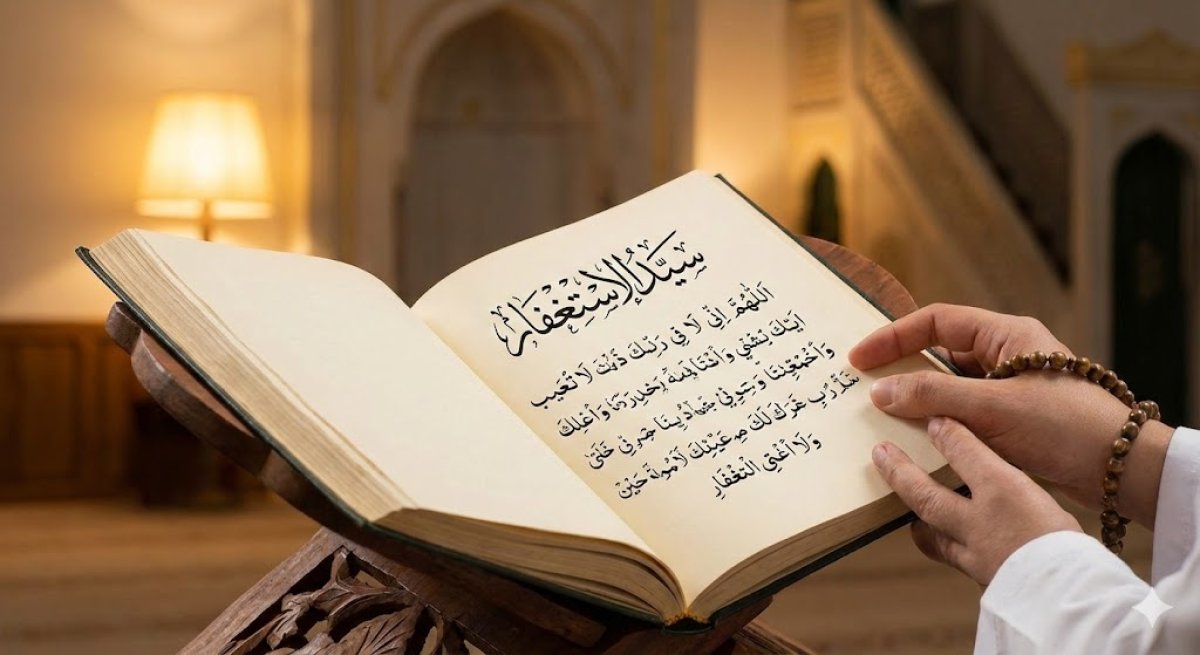
Sayyidul Istighfar

ุงู„ู„ู‘ูŽู‡ูู…ู‘ูŽ ุฃูŽู†ู’ุชูŽ ุฑูŽุจู‘ููŠ ู„ูŽุง ุฅูู„ูŽู‡ูŽ ุฅูู„ู‘ูŽุง ุฃูŽู†ู’ุชูŽุŒ ุฎูŽู„ูŽู‚ู’ุชูŽู†ููŠ ูˆูŽุฃูŽู†ูŽุง ุนูŽุจู’ุฏููƒูŽุŒ ูˆูŽุฃูŽู†ูŽุง ุนูŽู„ูŽู‰ ุนูŽู‡ู’ุฏููƒูŽ ูˆูŽูˆูŽุนู’ุฏููƒูŽ ู…ูŽุง ุงุณู’ุชูŽุทูŽุนู’ุชูุŒ ุฃูŽุนููˆุฐู ุจููƒูŽ ู…ูู†ู’ ุดูŽุฑู‘ู ู…ูŽุง ุตูŽู†ูŽุนู’ุชูุŒ ุฃูŽุจููˆุกู ู„ูŽูƒูŽ ุจูู†ูุนู’ู…ูŽุชููƒูŽ ุนูŽู„ูŽูŠู‘ูŽุŒ ูˆูŽุฃูŽุจููˆุกู ู„ูŽูƒูŽ ุจูุฐูŽู†ู’ุจููŠ ููŽุงุบู’ููุฑู’ ู„ููŠ ูุฅูู†ู‘ูŽู‡ู ู„ูŽุง ูŠูŽุบู’ููุฑู ุงู„ุฐู‘ูู†ููˆุจูŽ ุฅูู„ู‘ูŽุง ุฃูŽู†ู’ุชูŽ

Translation

O Allah, You are my Lord. None has the right to be worshipped but You. You created me and I am Your slave, and I am faithful to my covenant and my promise as much as I can. I seek refuge with You from all the evil I have done. I acknowledge before You all the blessings You have bestowed upon me, and I confess to You all my sins. So I entreat You to forgive my sins, for nobody can forgive sins except You.

Significance

This Dua is the ultimate expression of humility. It starts by acknowledging Allahโ€™s Lordship and then moves to our own shortcomings. It is a contract where the believer admits their weakness while relying on Allah's infinite mercy. In Sahih Bukhari, the Prophet ๏ทบ stated: "If somebody recites it during the day with firm faith in it, and dies on the same day before the evening, he will be from the people of Paradise; and if somebody recites it at night with firm faith in it, and dies before the morning, he will be from the people of Paradise." This makes it an essential daily ritual for every Muslim seeking a good end.

03

The Dua of Prophet Yunus

ู„ู‘ูŽุงู“ ุฅูู„ูŽูฐู‡ูŽ ุฅูู„ู‘ูŽุงู“ ุฃูŽู†ุชูŽ ุณูุจู’ุญูŽูฐู†ูŽูƒูŽ ุฅูู†ู‘ูู‰ ูƒูู†ุชู ู…ูู†ูŽ ูฑู„ุธู‘ูŽูฐู„ูู…ููŠู†ูŽ

Translation

There is no deity except You; exalted are You. Indeed, I have been of the wrongdoers." (Quran 21:87)

Significance

This Dua contains three parts: the Oneness of Allah (Tawheed), His Perfection (Tasbih), and a confession of oneโ€™s own mistakes (Istighfar).
It is considered a "master key" for relieving distress and depression.
Historical Context: This is the prayer Prophet Yunus (Jonah) recited while in the three darknesses: the belly of the whale, the depths of the ocean, and the darkness of the night.
The Prophet Muhammad ๏ทบ said, "No Muslim ever prays to his Lord with these words for anything, but He will answer his prayer" (Tirmidhi).
It serves as a historical reminder that no matter how "swallowed up" we feel by life's problems, Allah can bring us to the shore.

04

Dua for Steadfastness of the Heart

ูŠูŽุง ู…ูู‚ูŽู„ู‘ูุจูŽ ุงู„ู’ู‚ูู„ููˆุจู ุซูŽุจู‘ูุชู’ ู‚ูŽู„ู’ุจููŠ ุนูŽู„ูŽู‰ ุฏููŠู†ููƒูŽ

Translation

O Turner of the hearts, keep my heart steadfast upon Your religion.

Significance

The "heart" (Qalb) in Arabic etymology implies something that turns and flips easily.
This Dua is a plea for emotional and spiritual stability in an ever-changing world.
Historical Context: Umm Salama (RA), a wife of the Prophet ๏ทบ, was once asked which Dua the Prophet recited most when he was with her.
She mentioned this one. When she asked him why he prayed this so much, he replied: "O Umm Salama, there is no human being but his heart is between two of the Fingers of Allah; whomsoever He wills He sends astray, and whomsoever He wills He guides" (Tirmidhi).

05

Dua for Protection from Anxiety and Debt

ุงู„ู„ู‘ูŽู‡ูู…ู‘ูŽ ุฅูู†ู‘ููŠ ุฃูŽุนููˆุฐู ุจููƒูŽ ู…ูู†ูŽ ุงู„ู’ู‡ูŽู…ู‘ู ูˆูŽุงู„ู’ุญูŽุฒูŽู†ูุŒ ูˆูŽุงู„ู’ุนูŽุฌู’ุฒู ูˆูŽุงู„ู’ูƒูŽุณูŽู„ูุŒ ูˆูŽุงู„ู’ุจูุฎู’ู„ู ูˆูŽุงู„ู’ุฌูุจู’ู†ูุŒ ูˆูŽุถูŽู„ูŽุนู ุงู„ุฏู‘ูŽูŠู’ู†ูุŒ ูˆูŽุบูŽู„ูŽุจูŽุฉู ุงู„ุฑู‘ูุฌูŽุงู„ู

Translation

O Allah, I seek refuge in You from anxiety and sorrow, weakness and laziness, miserliness and cowardice, the burden of debts and from being overpowered by men.

Significance

This Dua targets the psychological barriers that stop a human from being productive. It covers internal states (anxiety) and external pressures (debt/oppression).
Historical Context: The Prophet ๏ทบ famously taught this Dua to a companion named Abu Umamah whom he found sitting in the mosque during non-prayer hours, looking distressed by debts.
The Prophet ๏ทบ told him that if he recited these words morning and evening, Allah would remove his worries and settle his debts. Abu Umamah later reported: "I did that, and Allah took away my worry and settled my debt" (Abu Dawud).

06

Dua for Seeking Beneficial Knowledge

ุฑู‘ูŽุจู‘ู ุฒูุฏู’ู†ูู‰ ุนูู„ู’ู…ู‹ุง

Translation

My Lord, increase me in knowledge." (Quran 20:114)

Significance

In Islam, knowledge is the precursor to action.
This is the only thing Allah commanded the Prophet ๏ทบ to ask for an "increase" in. It doesn't just mean academic knowledge, but "Beneficial Knowledge" (Ilman Nafi'an) that improves one's character and relationship with the Creator.
Historical Context: This verse was revealed to the Prophet ๏ทบ while he was receiving the Quran. It served as a reminder that even the Messenger of Allah, who was the most knowledgeable of mankind, must constantly seek growth from the Source of all wisdom.

07

Dua for Protection Against Harm

ุจูุณู’ู…ู ุงู„ู„ู‘ูŽู‡ู ุงู„ู‘ูŽุฐููŠ ู„ูŽุง ูŠูŽุถูุฑู‘ู ู…ูŽุนูŽ ุงุณู’ู…ูู‡ู ุดูŽูŠู’ุกูŒ ูููŠ ุงู„ู’ุฃูŽุฑู’ุถู ูˆูŽู„ูŽุง ูููŠ ุงู„ุณู‘ูŽู…ูŽุงุกู ูˆูŽู‡ููˆูŽ ุงู„ุณู‘ูŽู…ููŠุนู ุงู„ู’ุนูŽู„ููŠู…ู

Translation

In the name of Allah, with Whose name nothing on earth or in the heaven can cause any harm, and He is the All-Hearing, All-Knowing.

Significance

This is a "shield" prayer.
By invoking Allahโ€™s Name, the believer places themselves under Divine protection from unforeseen accidents, illnesses, or the evil of creation.
Historical Context: Uthman bin Affan (RA) reported that the Prophet ๏ทบ said: "He who recites it three times in the morning will not be afflicted by any sudden calamity until the evening; and he who recites it three times in the evening will not be afflicted by any sudden calamity until the morning" (Abu Dawud).

08

Dua for Ease in Difficulties

ุงู„ู„ู‘ูŽู‡ูู…ู‘ูŽ ู„ูŽุง ุณูŽู‡ู’ู„ูŽ ุฅูู„ู‘ูŽุง ู…ูŽุง ุฌูŽุนูŽู„ู’ุชูŽู‡ู ุณูŽู‡ู’ู„ู‹ุงุŒ ูˆูŽุฃูŽู†ู’ุชูŽ ุชูŽุฌู’ุนูŽู„ู ุงู„ู’ุญูŽุฒู’ู†ูŽ ุฅูุฐูŽุง ุดูุฆู’ุชูŽ ุณูŽู‡ู’ู„ู‹ุง

Translation

O Allah, there is no ease except in that which You have made easy, and You make the difficulty, if You wish, easy.

Significance

This Dua acknowledges that "ease" is not a property of the task itself, but a gift from Allah. It is recited before exams, interviews, or difficult conversations.

09

Dua for One's Parents

ุฑู‘ูŽุจู‘ู ูฑุฑู’ุญูŽู…ู’ู‡ูู…ูŽุง ูƒูŽู…ูŽุง ุฑูŽุจู‘ูŽูŠูŽุงู†ูู‰ ุตูŽุบููŠุฑู‹ุง

Translation

My Lord, have mercy upon them as they brought me up [when I was] small." (Quran 17:24)

Significance

This is a Divine command. It ties the child's prayer for the parent directly to the parent's past sacrifice. It is one of the few ways we can "repay" our parents after we have grown.
The Prophet ๏ทบ taught that when a person dies, their deeds end except for three thingsโ€”one of which is a righteous child who prays for them (Muslim). This Dua ensures that the legacy of a parent continues through the mercy of Allah.

Abdul Kader (Ashik)
Abdul Kader (Ashik)
Experts in Islamic spiritual development and habit formation
Islamic scholars and app developers dedicated to helping Muslims strengthen their Deen

In-Depth Guides
Sayyidul Istighfar (With PDF and Audio)

Sayyidul Istighfar (With PDF and Audio)

Sayyidul Istighfar is known as the Master of Seeking Forgiveness and it is the most powerful way to ask Allah for forgiveness.

Read Article โ†’
Dua for Seeking Forgiveness

Dua for Seeking Forgiveness

Forgiveness is one of the most central themes in a believer's life because it offers a way to heal and move forward. Here are the two most popular duas for seeking forgiveness:

Read Article โ†’