
The 40 day prayer challenge is simple by design.
But many people struggle not because the challenge is hard, but because of how they approach it.
These common mistakes quietly weaken consistency and often cause people to quit before the 40 days are complete.
Being aware of them early makes the challenge calmer and more sustainable.
Treating the Challenge Like a Perfection Test
The most damaging mistake is believing: “If I miss one prayer, I’ve failed.”
This mindset creates pressure and fear.
The challenge is not a test of flawlessness.
It’s a test of returning.
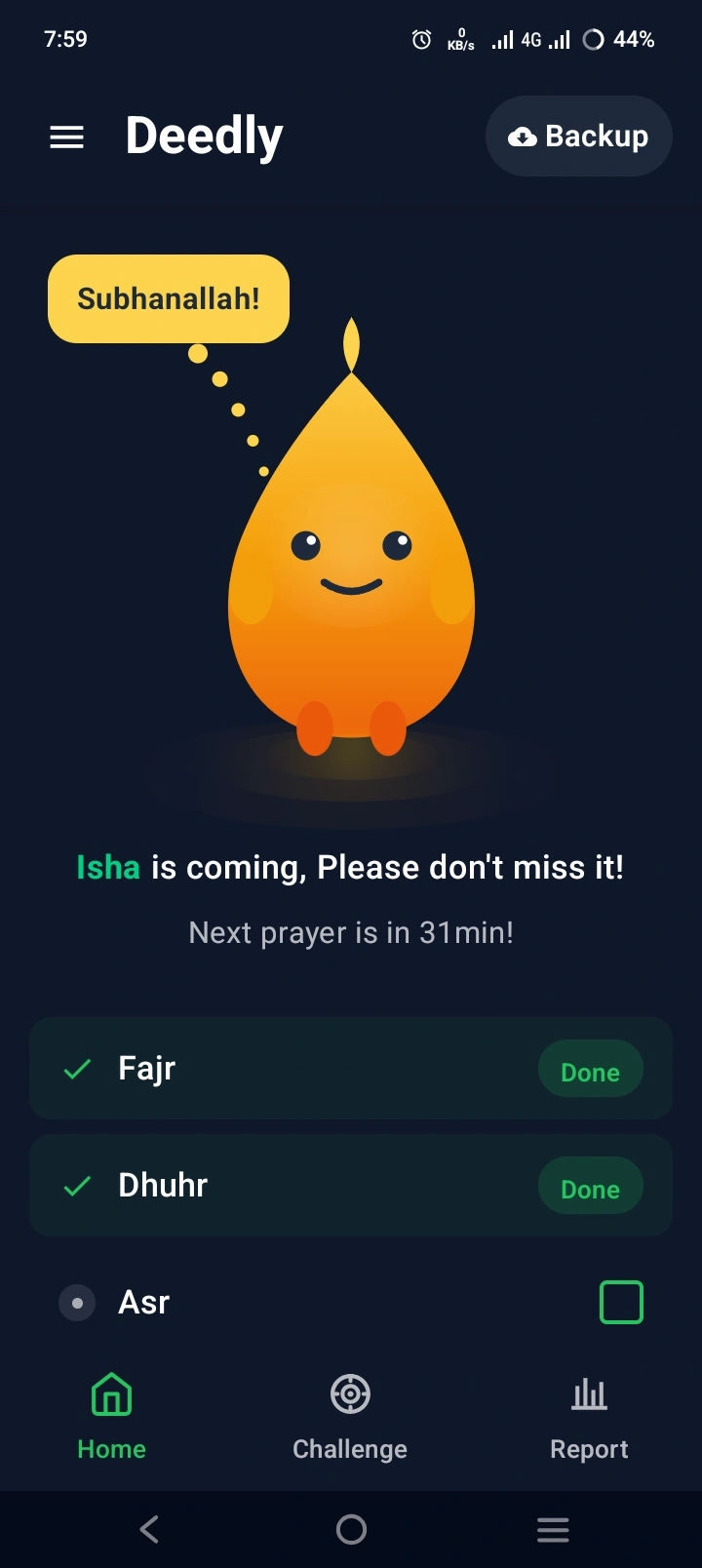
Missing a prayer does not break the challenge.
Quitting does.
For the correct structure and intention, see
→ a 40 day prayer consistency challenge
Depending on Motivation Instead of Structure
Many people start strong because motivation is high.
Then motivation drops, and consistency collapses.
Motivation is unstable by nature.
The challenge works only when you rely on:
- Time
- Structure
- Simple daily acknowledgment
If motivation is your engine, burnout is guaranteed.
Restarting the Challenge Too Often
Some people restart the challenge multiple times:
- After a bad day
- After a missed prayer
- After feeling guilty
This creates a cycle of emotional resets.
The challenge is meant to teach continuation, not restarting.
Stay inside the same 40-day frame, even when days are imperfect.
Adding Too Many Rules
Another common mistake is overcomplicating the challenge.
People add rules like:
- Extra prayers
- Long duas every time
- Strict schedules that don’t fit life
This turns the challenge into a burden.
The foundation should remain simple: Pray, acknowledge, continue.
Tracking With Judgment Instead of Honesty
Tracking is meant to create awareness, not shame.
When tracking becomes:
- Self-criticism
- Anger at oneself
- Comparison
People start avoiding the tracker itself.
Tracking should feel neutral.
Misses are data, not character flaws.
Expecting Immediate Spiritual Highs
Some people expect the challenge to instantly:
- Increase khushu
- Remove laziness
- Fix spiritual dryness
When that doesn’t happen, disappointment sets in.
The real changes are subtle:
- Reduced avoidance
- Faster recovery
- Calmer consistency
Depth often comes later.
Turning the Challenge Into Public Performance
Announcing the challenge publicly can:
- Increase pressure
- Invite comparison
- Create fear of failure
For many people, this leads to quiet quitting.
The 40 day prayer challenge works best when it’s private and sincere.
Ignoring Reflection Completely
While overthinking is harmful, zero reflection is also a mistake.
Without reflection:
- Patterns remain hidden
- Growth feels invisible
- The challenge feels mechanical
Simple daily or weekly awareness is enough.
Stopping Everything After Day 40
Another mistake is treating day 40 as the end of prayer effort.
The challenge is a transition point, not a finish line.
After completion:
- Some continue tracking
- Some start another cycle
- Some move into maintenance
Stopping completely often leads back to inconsistency.
Final Thought
Most failures in the 40 day prayer challenge come from pressure, not weakness.
When the challenge is approached with calm structure and honesty, consistency becomes possible even on difficult days.
Avoiding these mistakes can make the difference between quitting early and finishing steadily.
